Due Diligence Starts Now: How Integrating the Six1 Advisory Team Reduces Risk During the Due Diligence Process
If you’re running on EOS, you already understand structure, accountability, and execution inside the 90-Day World. You have Rocks. You have scorecards. You solve issues. You move.
But here’s the reality: none of that automatically prepares you for due diligence.
Due diligence is where valuation is either validated—or vaporized.
It’s where buyers move from excitement to scrutiny. From vision to verification. From “we love this company” to “prove it.”
And this is where most business owners - yes, even strong EOS operators - get blindsided.
The difference between a smooth, premium exit and a stressful, discounted one often comes down to one factor:
Was your advisory team aligned and integrated years before diligence began?
This is why the Six1 Model exists.
The Risk Most Owners Don’t See Coming
In the book Exit Ready, the message is clear: exit readiness is not an event. It’s a discipline layered onto EOS.
Too many owners wait until they’ve accepted a Letter of Intent (LOI) to assemble their “deal team.” That’s like building the airplane while you’re already in turbulence.
Here’s what usually happens:
The CPA cleans up financials reactively.
The M&A attorney discovers structural issues.
Tax planning becomes defensive instead of strategic.
Estate considerations are rushed.
Wealth planning is an afterthought.
Advisors don’t talk to each other.
The result? Delays. Retrades. Earn-outs. Price reductions. Emotional exhaustion.
Due diligence isn’t just a document review—it’s a risk audit. And if your advisors aren’t coordinated inside your EOS structure before that audit begins, risk multiplies.
What Is the Six1 Model?

The Six1 Model integrates six core advisors into one coordinated system - your EOS operating structure.
The Six1 team includes:
M&A Attorney
CPA (Exit-Savvy)
M&A Advisor / Investment Banker
Wealth & Financial Advisor
Estate Planning Attorney
Exit Planner / Valuation Expert
+1: Your Operating System (EOS)
Most businesses have some of these relationships. Few have them aligned.
Integration is the multiplier.
How Integration Reduces Risk During Due Diligence
Let’s break this down practically.
1. Financial Risk Is Identified Years Earlier
Buyers scrutinize:
Revenue recognition policies
Customer concentration
EBITDA adjustments
Normalized compensation
Working capital trends
Forecast reliability
If your CPA and Exit Planner are integrated inside your EOS cadence—reviewing metrics quarterly, tracking valuation drivers monthly—then diligence becomes confirmation, not investigation.
When advisors are siloed, inconsistencies appear. Buyers find them. And once trust is questioned, leverage shifts.
2. Legal Exposure Gets Cleaned Up Before It’s Urgent
During diligence, buyers examine:
Contracts
Intellectual property ownership
Employment agreements
Non-competes
Pending disputes
Governance documentation
An integrated M&A attorney working inside your long-term exit strategy ensures these items are structured correctly years before LOI.
Without integration, legal issues show up late—when your negotiating power is weakest.
3. Tax Strategy Becomes Proactive, Not Reactive
Tax planning should begin long before exit.
Entity structure, QSBS eligibility, state nexus issues, asset vs. stock sale implications—these aren’t decisions to make after an offer arrives.
When your CPA and tax advisor collaborate with your M&A advisor and wealth planner early, you optimize structure while you still have options.
Integration reduces tax leakage.
4. Owner Dependence Risk Gets Measured and Managed
Buyers fear one thing above almost everything else:
Key-person dependency.
If the business runs because of you—not without you—valuation drops.
When your Exit Planner integrates with your EOS structure, you begin to:
Transfer relationships
Document tribal knowledge
Strengthen leadership depth
Track succession readiness
Build a management bench
Due diligence becomes smoother because independence is demonstrated, not promised.
5. Advisors Solve Issues Before Buyers Discover Them
In EOS, you IDS issues weekly.
The Six1 Model extends IDS into exit readiness.
Instead of waiting for a buyer’s Quality of Earnings report to surface red flags, your advisors are stress-testing the business in advance.
You’re essentially conducting internal due diligence long before external due diligence begins.
That flips the script.
What Happens Without Integration?
Let’s be candid.
When advisors operate independently:
Financial models don’t match tax filings.
Legal structures don’t align with wealth plans.
Estate plans contradict transaction structures.
Forecasts aren’t defensible.
Advisors blame each other under pressure.
Buyers sense disorganization immediately.
And disorganization equals risk.
Risk equals discount.
The Advisor Meeting Pulse: The Missing Layer
The key to integration isn’t just having advisors.
It’s cadence.
Inside the Step by Step Exit framework, advisors don’t meet randomly. They plug into your EOS pulse:
Exit goals extend your V/TO.
Scorecards track valuation drivers.
Quarterly Rocks include readiness milestones.
Leadership meetings surface exit blockers.
Monthly re-valuations track progress.
This rhythm prevents panic.
Due diligence stops being a surprise audit and becomes a prepared presentation.
Due Diligence Is an Emotional Test Too
In the foreword of Exit Ready, Gino Wickman describes his first exit as chaotic and misaligned—and his second as intentional and structured.
The difference wasn’t luck.
It was preparation.
And preparation isn’t only operational—it’s emotional.
When advisors are integrated:
You feel supported.
Decisions are vetted.
Pressure is distributed.
Clarity replaces anxiety.
During diligence, buyers push hard. Integrated advisors help you respond strategically—not emotionally.
Moving From “Sellable” to “Diligence-Ready”
A sellable company might eventually close.
A diligence-ready company commands leverage.
The Six1 Model reduces risk in five critical categories:
Financial Risk
Legal Risk
Tax Risk
Governance Risk
Key-Person Risk
And when risk drops, valuation rises.
This isn’t theoretical. It’s structural.
Practical EOS Integration Steps
If you’re running on EOS today, here’s how to start:
Add exit-readiness metrics to your Scorecard.
Make one Quarterly Rock tied to diligence preparation.
Review key contracts annually with your attorney.
Conduct a mock internal due diligence review.
Align your CPA and wealth advisor around post-sale modeling.
Track owner dependence reduction as a measurable KPI.
This is how you build a buyer-ready data room inside your 90-Day World.
Not someday.
Now.
The Strategic Shift
The biggest mistake owners make is thinking due diligence begins after LOI.
In reality, diligence begins the day you decide your business is an asset—not just a job.
EOS helps you build a great business.
The Six1 Model helps you build one that can withstand scrutiny.
And scrutiny is inevitable.
Conclusion: Structure Reduces Stress. Integration Increases Value.
Due diligence does not create risk.
It exposes it.
If your Six1 advisory team is integrated inside your EOS operating rhythm years in advance, risk is reduced systematically, not reactively.
And that changes everything.
Because when buyers find alignment, clarity, and coordination…
They lean in.
They compete.
They pay.
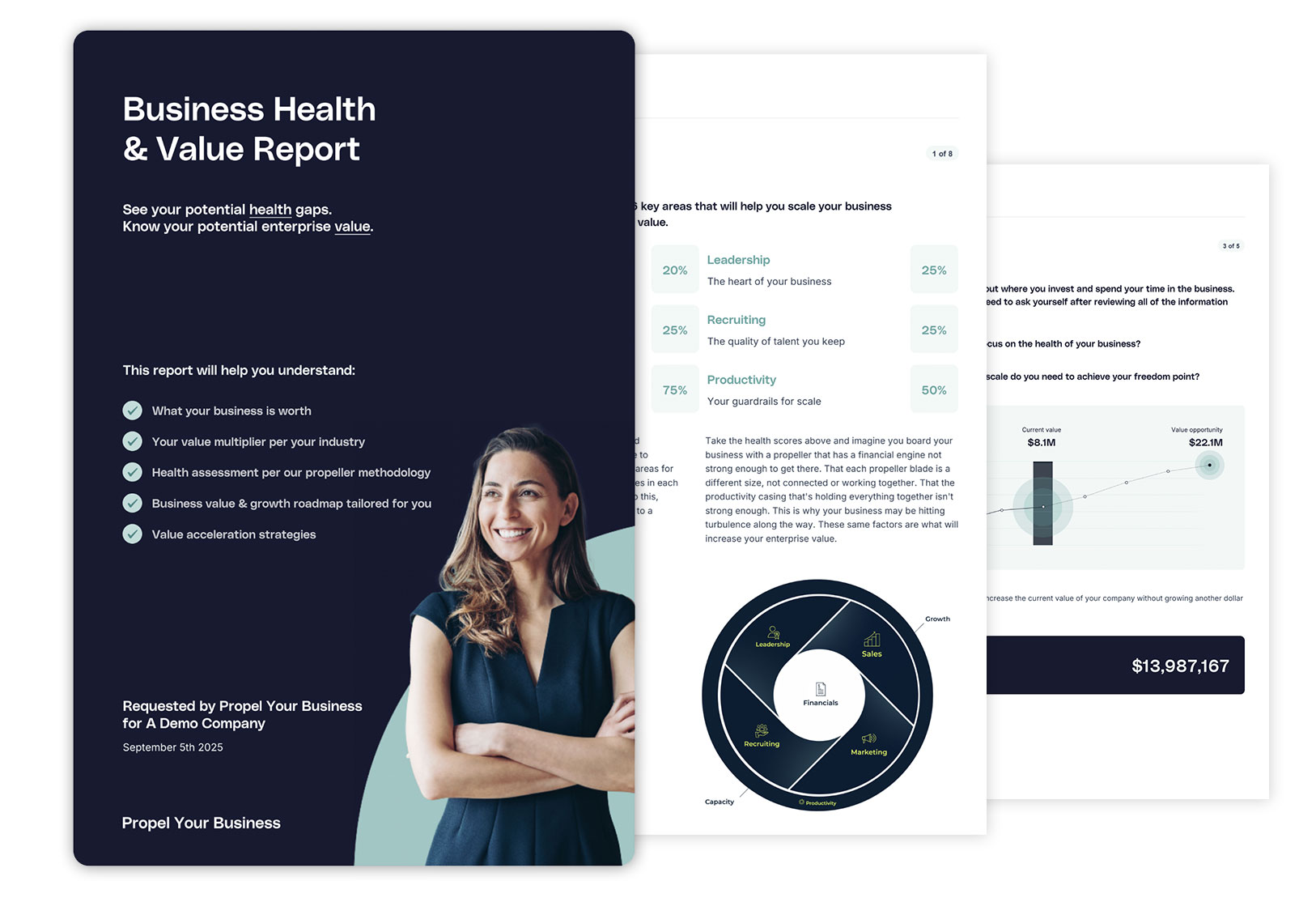
If you’re running on EOS and want to see how your business measures up, take the Health & Value Assessment to discover your exit readiness score.